
A home’s functionality and long-term value are shaped by many interconnected factors, from how well its core systems operate to how thoughtfully its spaces are maintained and improved over time. While some updates are driven by immediate needs, others are strategic decisions that help preserve comfort, safety, and appeal for years to come. Understanding how different services contribute to a home’s overall condition allows homeowners to make more informed choices rather than reacting only when something goes wrong. This proactive mindset often leads to fewer surprises, better budgeting, and a stronger sense of confidence in the property itself.
Beyond day-to-day comfort, a well-maintained home tends to hold its value more effectively in changing markets. Small issues that are ignored can quietly turn into larger, more expensive problems, while smart improvements can enhance both livability and market perception. By looking at home services through the lens of function and value, homeowners can prioritize what truly matters, balancing immediate needs with long-term goals. This approach supports a home that not only works well today but remains a solid asset in the future.
Protecting Structural Integrity
The structural integrity of a home plays a critical role in its overall stability, safety, and longevity. When the main protective elements of a property are in good condition, they help shield everything inside from environmental stress, moisture, and gradual wear. Structural protection is not only about preventing visible damage but also about maintaining the underlying framework that supports walls, ceilings, and foundational systems. Consistent attention in this area can reduce the risk of costly repairs while preserving the home’s original strength.
One of the most significant contributors to structural protection is roofing, which serves as the first barrier against weather and debris. When this component is compromised, even small leaks can lead to insulation damage, wood rot, and interior deterioration. Addressing concerns early helps prevent moisture from spreading into other parts of the home, where repairs become more complex and expensive. Keeping this area in good condition supports both the physical stability of the property and the peace of mind of those living inside it.
Supporting Property Value
Property value is influenced by more than just appearance; it reflects the condition, functionality, and perceived reliability of a home. Buyers and homeowners alike tend to place higher value on properties that show evidence of thoughtful care and consistent maintenance. When a home demonstrates that its essential systems and features have been properly evaluated, it signals reduced risk and stronger long-term potential. This perception can play a meaningful role in financial planning, refinancing decisions, or future resale opportunities.
A real estate appraisal provides a structured way to understand how a home’s condition compares to others in the market. This process considers improvements, upkeep, and overall functionality to estimate value more accurately. When homeowners are aware of how different updates influence an appraisal, they can make smarter decisions about where to invest their time and resources. Over time, this awareness helps ensure that maintenance and improvement efforts align with broader financial goals tied to the property.
Enhancing Outdoor Living Spaces
Outdoor areas often serve as extensions of the home, providing space for relaxation, entertainment, and family activities. When these spaces are thoughtfully maintained and updated, they contribute to both daily enjoyment and overall property appeal. A functional and inviting outdoor environment can make a home feel more complete, especially in regions where outdoor living is part of everyday life. Well-designed outdoor spaces can accommodate a range of activities, from quiet personal retreats to large gatherings, offering versatility that enhances the home’s usability. Landscaping, seating areas, and outdoor features all play a role in creating a cohesive, comfortable environment that seamlessly connects with the interior of the home. Investing in these areas helps create balance between interior comfort and exterior usability while increasing the overall sense of livability and enjoyment.
A pool remodel can significantly improve how an outdoor space looks and functions over time. Aging materials, outdated designs, or inefficient systems can limit usability and increase maintenance concerns. Updating this feature can improve safety, modernize aesthetics, and enhance energy efficiency, all while making the space more enjoyable. A well-executed remodel can include updated filtration systems, energy-saving pumps, and safer pool surrounds, which reduce long-term maintenance and operational costs. Beyond functionality, visual upgrades—such as new tiling, lighting, and landscaping integration—can transform the pool area into a stylish focal point that enhances the entire outdoor experience. These improvements often translate into stronger buyer interest and a more polished overall impression of the property, making the home more appealing and potentially increasing its market value.
Refreshing Interior Comfort
Interior comfort is shaped by how well a home’s spaces support everyday living. Furniture, finishes, and materials all influence how welcoming and functional a room feels. Over time, wear and tear can diminish both comfort and appearance, making interiors feel dated or less inviting. Neglecting these details can also affect the mood and usability of a space, making it harder to relax or entertain. Addressing these elements helps maintain a living environment that feels intentional and well cared for, creating a space that encourages both daily enjoyment and long-term satisfaction. Updating textures, colors, and layouts can breathe new life into rooms without the need for extensive renovations.
Working with an upholsterer allows homeowners to restore or customize furniture rather than replacing it entirely. This approach can preserve quality pieces while updating fabrics, cushioning, and style to better match the home’s current design. Beyond aesthetics, reupholstering can improve ergonomics and comfort, making chairs, sofas, and other seating more supportive and pleasant to use. Thoughtful updates like these enhance comfort and visual cohesion, contributing to interiors that feel refreshed without requiring major structural changes. Small refinements often make a noticeable difference in how spaces are experienced day to day, improving both functionality and the overall sense of warmth in the home.
Improving Natural Light and Efficiency
Natural light and energy efficiency play an important role in how comfortable and functional a home feels. Well-lit spaces tend to appear larger, more welcoming, and more connected to the outdoors, which can positively affect mood and overall well-being. Sunlight can highlight architectural features, enhance the perception of space, and reduce the reliance on artificial lighting during the day. At the same time, efficient design choices help regulate indoor temperatures, reduce energy waste, and lower utility costs. Combining these elements creates a home that is not only pleasant to live in but also more sustainable and environmentally responsible over time. Thoughtful consideration of natural light and energy efficiency contributes to both immediate comfort and long-term home performance.
Installing custom windows allows homeowners to address specific needs related to light, insulation, and design. Properly fitted windows can reduce drafts, improve temperature control, and enhance the overall appearance of a home. Homeowners can choose glazing, frame materials, and opening styles that best suit the local climate, energy needs, and aesthetic goals. By tailoring window solutions to the structure and layout of the property, they can maximize natural daylight, improve airflow, and reduce dependency on heating and cooling systems. Beyond efficiency, custom windows can complement architectural styles, highlight views, and create a seamless connection between interior and exterior spaces. These upgrades not only increase functionality but also elevate the home’s overall comfort, visual appeal, and long-term value.
Maintaining Access and Security
Easy access and reliable security are essential to how a home functions daily. Entry points that work smoothly help prevent frustration while also supporting safety for residents and belongings. When these features are neglected, even minor issues can disrupt routines or create vulnerabilities. Consistent attention to access points helps ensure that a home remains both convenient and secure.
A properly functioning garage door plays a key role in protecting vehicles and stored items while also contributing to the home’s exterior appearance. Mechanical issues, worn components, or outdated designs can affect both performance and safety. Addressing these concerns helps maintain smooth operation and reduces the risk of unexpected failures. Well-maintained access features also support a positive first impression for visitors and potential buyers.
Ensuring Reliable Hot Water
Reliable hot water is one of those necessities that often goes unnoticed until it becomes a problem. From daily hygiene to household cleaning, consistent hot water supports comfort and efficiency throughout the home. When systems are not properly maintained, disruptions can affect routines and increase energy costs. Keeping this essential service dependable contributes to a smoother and more comfortable living experience.
A water heater is central to meeting a household’s daily demands, and its condition directly affects performance. Over time, sediment buildup, aging components, or inefficiencies can reduce reliability. Addressing these issues helps ensure steady operation while also improving energy efficiency. Proactive attention in this area can prevent sudden breakdowns and extend the lifespan of the system.
Managing Large-Scale Home Updates
Large-scale updates often require careful planning and coordination to ensure projects are completed efficiently and correctly. These types of improvements can significantly impact how a home functions, looks, and feels. Without proper oversight, timelines can stretch, and costs can escalate. A structured approach helps homeowners navigate complex projects with greater confidence and clarity.
A remodeling contractor brings organization and expertise to comprehensive home improvement efforts. Coordinating multiple aspects of a project, from design considerations to execution, helps ensure that updates align with the homeowner’s goals. This level of management supports consistent quality and minimizes disruptions. When handled effectively, large-scale updates can transform living spaces while maintaining long-term value.
Regulating Indoor Climate
Maintaining a comfortable indoor climate is essential for both health and everyday comfort. Temperature consistency, air circulation, and humidity control all influence how a home feels throughout the year, affecting everything from personal comfort to the longevity of furniture and building materials. Properly regulated indoor environments can help prevent issues such as mold growth, condensation, and excessive wear on electronics and appliances. When climate-related systems are properly maintained, they help create a stable environment that supports better sleep, productivity, and overall well-being. Neglecting these factors can lead to uneven temperatures, higher energy consumption, and increased strain on household systems, which may result in costly repairs or premature equipment failure.
Professional hvac installation plays a crucial role in ensuring that heating and cooling systems operate efficiently and reliably. Proper installation supports balanced airflow, consistent temperature control, and improved humidity regulation, while reducing unnecessary energy use. Selecting the right system for the size and layout of the home ensures optimal performance and comfort year-round. When systems are set up correctly from the start, they tend to perform better over time and require fewer corrective adjustments, which contributes to lower utility costs and a more comfortable indoor environment. Additionally, a well-installed HVAC system can improve indoor air quality, reduce allergens, and enhance overall health for everyone living in the home.
Upgrading Storage and Functionality
Functional storage solutions help keep a home organized and visually appealing. When storage is thoughtfully designed, it supports daily routines and reduces clutter without sacrificing style. Poorly planned storage can limit how effectively a space is used, making rooms feel cramped or disorganized. Enhancing storage and layout contributes to a more efficient and enjoyable living environment. Well-designed storage also makes it easier to maintain cleanliness, which can improve how a space feels on a day-to-day basis and reduce the time spent managing household clutter.
Working with local cabinet companies allows homeowners to tailor storage solutions to their specific needs and spaces. Custom or semi-custom cabinetry can improve accessibility, maximize available space, and complement the overall design of the home. These upgrades often enhance both practicality and visual cohesion, making them valuable additions that support long-term functionality and appeal. Thoughtful storage improvements can also adapt to changing household needs, ensuring spaces remain useful as lifestyles evolve.
Keeping a home functional and valuable requires more than occasional fixes or cosmetic updates. It involves understanding how different systems and features work together to support comfort, safety, and long-term performance. When homeowners take a holistic view of their property, they are better equipped to prioritize maintenance and improvements that deliver lasting benefits. This approach helps reduce unexpected issues while creating a living environment that feels dependable and well cared for.
Over time, thoughtful attention to these areas contributes to a home that adapts to changing needs and retains its appeal. Regular maintenance, timely upgrades, and strategic improvements ensure that both the core systems and everyday features remain reliable and efficient, preventing minor issues from turning into major problems. By addressing both foundational elements and quality-of-life features, homeowners can make informed decisions that balance practicality with future goals, creating a living environment that is both functional and enjoyable. The result is a home that not only functions smoothly today but continues to offer value, comfort, and aesthetic appeal for years to come, providing peace of mind and long-term satisfaction for its occupants. This proactive approach also helps protect investment, making the property more attractive to future buyers while maintaining its role as a safe, comfortable, and efficient living space.
A home’s functionality and long-term value are shaped by many interconnected factors, from how well its core systems operate to how thoughtfully its spaces are maintained and improved over time. While some updates are driven by immediate needs, others are strategic decisions that help preserve comfort, safety, and appeal for years to come. Understanding how different services contribute to a home’s overall condition allows homeowners to make more informed choices rather than reacting only when something goes wrong. This proactive mindset often leads to fewer surprises, better budgeting, and a stronger sense of confidence in the property itself.
Beyond day-to-day comfort, a well-maintained home tends to hold its value more effectively in changing markets. Small issues that are ignored can quietly turn into larger, more expensive problems, while smart improvements can enhance both livability and market perception. By looking at home services through the lens of function and value, homeowners can prioritize what truly matters, balancing immediate needs with long-term goals. This approach supports a home that not only works well today but remains a solid asset in the future.
Protecting Structural Integrity

The structural integrity of a home plays a critical role in its overall stability, safety, and longevity. When the main protective elements of a property are in good condition, they help shield everything inside from environmental stress, moisture, and gradual wear. Structural protection is not only about preventing visible damage but also about maintaining the underlying framework that supports walls, ceilings, and foundational systems. Consistent attention in this area can reduce the risk of costly repairs while preserving the home’s original strength.
One of the most significant contributors to structural protection is roofing, which serves as the first barrier against weather and debris. When this component is compromised, even small leaks can lead to insulation damage, wood rot, and interior deterioration. Addressing concerns early helps prevent moisture from spreading into other parts of the home, where repairs become more complex and expensive. Keeping this area in good condition supports both the physical stability of the property and the peace of mind of those living inside it.
Supporting Property Value
Property value is influenced by more than just appearance; it reflects the condition, functionality, and perceived reliability of a home. Buyers and homeowners alike tend to place higher value on properties that show evidence of thoughtful care and consistent maintenance. When a home demonstrates that its essential systems and features have been properly evaluated, it signals reduced risk and stronger long-term potential. This perception can play a meaningful role in financial planning, refinancing decisions, or future resale opportunities.
A real estate appraisal provides a structured way to understand how a home’s condition compares to others in the market. This process considers improvements, upkeep, and overall functionality to estimate value more accurately. When homeowners are aware of how different updates influence an appraisal, they can make smarter decisions about where to invest their time and resources. Over time, this awareness helps ensure that maintenance and improvement efforts align with broader financial goals tied to the property.
Enhancing Outdoor Living Spaces
Outdoor areas often serve as extensions of the home, providing space for relaxation, entertainment, and family activities. When these spaces are thoughtfully maintained and updated, they contribute to both daily enjoyment and overall property appeal. A functional and inviting outdoor environment can make a home feel more complete, especially in regions where outdoor living is part of everyday life. Well-designed outdoor spaces can accommodate a range of activities, from quiet personal retreats to large gatherings, offering versatility that enhances the home’s usability. Landscaping, seating areas, and outdoor features all play a role in creating a cohesive, comfortable environment that seamlessly connects with the interior of the home. Investing in these areas helps create balance between interior comfort and exterior usability while increasing the overall sense of livability and enjoyment.
A pool remodel can significantly improve how an outdoor space looks and functions over time. Aging materials, outdated designs, or inefficient systems can limit usability and increase maintenance concerns. Updating this feature can improve safety, modernize aesthetics, and enhance energy efficiency, all while making the space more enjoyable. A well-executed remodel can include updated filtration systems, energy-saving pumps, and safer pool surrounds, which reduce long-term maintenance and operational costs. Beyond functionality, visual upgrades—such as new tiling, lighting, and landscaping integration—can transform the pool area into a stylish focal point that enhances the entire outdoor experience. These improvements often translate into stronger buyer interest and a more polished overall impression of the property, making the home more appealing and potentially increasing its market value.
Refreshing Interior Comfort
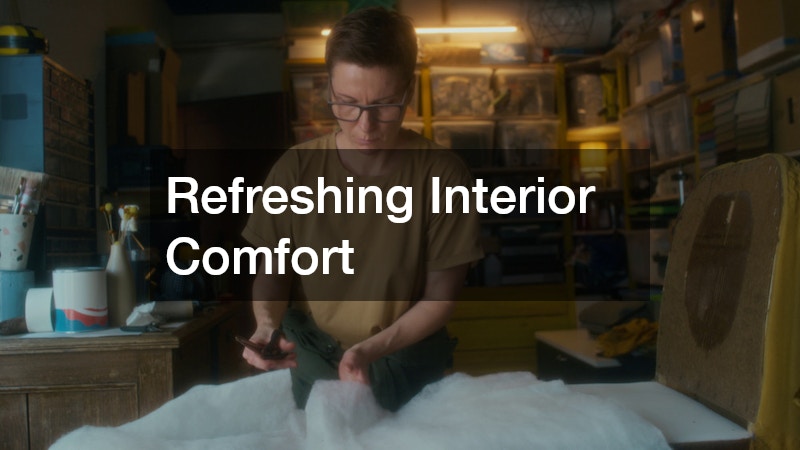
Interior comfort is shaped by how well a home’s spaces support everyday living. Furniture, finishes, and materials all influence how welcoming and functional a room feels. Over time, wear and tear can diminish both comfort and appearance, making interiors feel dated or less inviting. Neglecting these details can also affect the mood and usability of a space, making it harder to relax or entertain. Addressing these elements helps maintain a living environment that feels intentional and well cared for, creating a space that encourages both daily enjoyment and long-term satisfaction. Updating textures, colors, and layouts can breathe new life into rooms without the need for extensive renovations.
Working with an upholsterer allows homeowners to restore or customize furniture rather than replacing it entirely. This approach can preserve quality pieces while updating fabrics, cushioning, and style to better match the home’s current design. Beyond aesthetics, reupholstering can improve ergonomics and comfort, making chairs, sofas, and other seating more supportive and pleasant to use. Thoughtful updates like these enhance comfort and visual cohesion, contributing to interiors that feel refreshed without requiring major structural changes. Small refinements often make a noticeable difference in how spaces are experienced day to day, improving both functionality and the overall sense of warmth in the home.
Improving Natural Light and Efficiency
Natural light and energy efficiency play an important role in how comfortable and functional a home feels. Well-lit spaces tend to appear larger, more welcoming, and more connected to the outdoors, which can positively affect mood and overall well-being. Sunlight can highlight architectural features, enhance the perception of space, and reduce the reliance on artificial lighting during the day. At the same time, efficient design choices help regulate indoor temperatures, reduce energy waste, and lower utility costs. Combining these elements creates a home that is not only pleasant to live in but also more sustainable and environmentally responsible over time. Thoughtful consideration of natural light and energy efficiency contributes to both immediate comfort and long-term home performance.
Installing custom windows allows homeowners to address specific needs related to light, insulation, and design. Properly fitted windows can reduce drafts, improve temperature control, and enhance the overall appearance of a home. Homeowners can choose glazing, frame materials, and opening styles that best suit the local climate, energy needs, and aesthetic goals. By tailoring window solutions to the structure and layout of the property, they can maximize natural daylight, improve airflow, and reduce dependency on heating and cooling systems. Beyond efficiency, custom windows can complement architectural styles, highlight views, and create a seamless connection between interior and exterior spaces. These upgrades not only increase functionality but also elevate the home’s overall comfort, visual appeal, and long-term value.
Maintaining Access and Security
Easy access and reliable security are essential to how a home functions daily. Entry points that work smoothly help prevent frustration while also supporting safety for residents and belongings. When these features are neglected, even minor issues can disrupt routines or create vulnerabilities. Consistent attention to access points helps ensure that a home remains both convenient and secure.
A properly functioning garage door plays a key role in protecting vehicles and stored items while also contributing to the home’s exterior appearance. Mechanical issues, worn components, or outdated designs can affect both performance and safety. Addressing these concerns helps maintain smooth operation and reduces the risk of unexpected failures. Well-maintained access features also support a positive first impression for visitors and potential buyers.
Ensuring Reliable Hot Water
Reliable hot water is one of those necessities that often goes unnoticed until it becomes a problem. From daily hygiene to household cleaning, consistent hot water supports comfort and efficiency throughout the home. When systems are not properly maintained, disruptions can affect routines and increase energy costs. Keeping this essential service dependable contributes to a smoother and more comfortable living experience.
A water heater is central to meeting a household’s daily demands, and its condition directly affects performance. Over time, sediment buildup, aging components, or inefficiencies can reduce reliability. Addressing these issues helps ensure steady operation while also improving energy efficiency. Proactive attention in this area can prevent sudden breakdowns and extend the lifespan of the system.
Managing Large-Scale Home Updates
Large-scale updates often require careful planning and coordination to ensure projects are completed efficiently and correctly. These types of improvements can significantly impact how a home functions, looks, and feels. Without proper oversight, timelines can stretch, and costs can escalate. A structured approach helps homeowners navigate complex projects with greater confidence and clarity.
A remodeling contractor brings organization and expertise to comprehensive home improvement efforts. Coordinating multiple aspects of a project, from design considerations to execution, helps ensure that updates align with the homeowner’s goals. This level of management supports consistent quality and minimizes disruptions. When handled effectively, large-scale updates can transform living spaces while maintaining long-term value.
Regulating Indoor Climate
Maintaining a comfortable indoor climate is essential for both health and everyday comfort. Temperature consistency, air circulation, and humidity control all influence how a home feels throughout the year, affecting everything from personal comfort to the longevity of furniture and building materials. Properly regulated indoor environments can help prevent issues such as mold growth, condensation, and excessive wear on electronics and appliances. When climate-related systems are properly maintained, they help create a stable environment that supports better sleep, productivity, and overall well-being. Neglecting these factors can lead to uneven temperatures, higher energy consumption, and increased strain on household systems, which may result in costly repairs or premature equipment failure.
Professional hvac installation plays a crucial role in ensuring that heating and cooling systems operate efficiently and reliably. Proper installation supports balanced airflow, consistent temperature control, and improved humidity regulation, while reducing unnecessary energy use. Selecting the right system for the size and layout of the home ensures optimal performance and comfort year-round. When systems are set up correctly from the start, they tend to perform better over time and require fewer corrective adjustments, which contributes to lower utility costs and a more comfortable indoor environment. Additionally, a well-installed HVAC system can improve indoor air quality, reduce allergens, and enhance overall health for everyone living in the home.
Upgrading Storage and Functionality
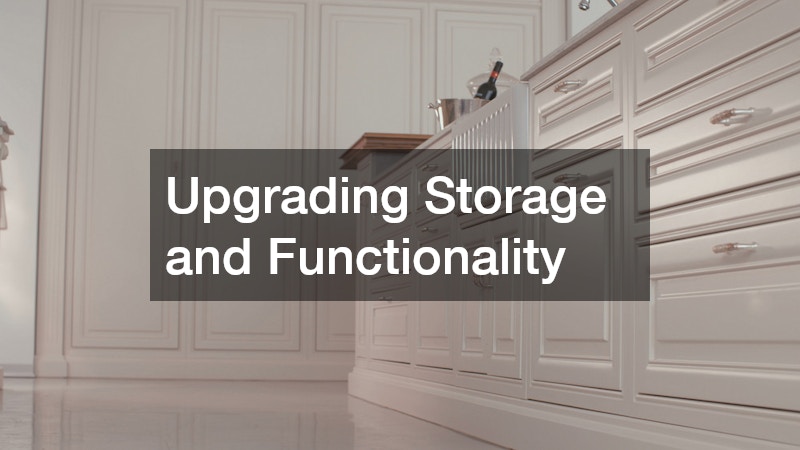
Functional storage solutions help keep a home organized and visually appealing. When storage is thoughtfully designed, it supports daily routines and reduces clutter without sacrificing style. Poorly planned storage can limit how effectively a space is used, making rooms feel cramped or disorganized. Enhancing storage and layout contributes to a more efficient and enjoyable living environment. Well-designed storage also makes it easier to maintain cleanliness, which can improve how a space feels on a day-to-day basis and reduce the time spent managing household clutter.
Working with local cabinet companies allows homeowners to tailor storage solutions to their specific needs and spaces. Custom or semi-custom cabinetry can improve accessibility, maximize available space, and complement the overall design of the home. These upgrades often enhance both practicality and visual cohesion, making them valuable additions that support long-term functionality and appeal. Thoughtful storage improvements can also adapt to changing household needs, ensuring spaces remain useful as lifestyles evolve.
Keeping a home functional and valuable requires more than occasional fixes or cosmetic updates. It involves understanding how different systems and features work together to support comfort, safety, and long-term performance. When homeowners take a holistic view of their property, they are better equipped to prioritize maintenance and improvements that deliver lasting benefits. This approach helps reduce unexpected issues while creating a living environment that feels dependable and well cared for.
Over time, thoughtful attention to these areas contributes to a home that adapts to changing needs and retains its appeal. Regular maintenance, timely upgrades, and strategic improvements ensure that both the core systems and everyday features remain reliable and efficient, preventing minor issues from turning into major problems. By addressing both foundational elements and quality-of-life features, homeowners can make informed decisions that balance practicality with future goals, creating a living environment that is both functional and enjoyable. The result is a home that not only functions smoothly today but continues to offer value, comfort, and aesthetic appeal for years to come, providing peace of mind and long-term satisfaction for its occupants. This proactive approach also helps protect investment, making the property more attractive to future buyers while maintaining its role as a safe, comfortable, and efficient living space