
Buying a home is often the single largest financial commitment a person will make in their lifetime. Yet, once the keys are handed over and the excitement of moving in settles, many homeowners fall into a passive routine. They fix things only when they break, treating maintenance as an unwelcome series of emergency interruptions rather than a predictable calendar.
This reactive mindset is where property value silently drains away. A subtle trickle behind a wall eventually destroys subflooring; a tiny gap in your exterior cladding lets winter moisture freeze, expand, and shatter the surrounding surface; a clogged drainage line turns a simple afternoon rainstorm into a flooded basement.
To build long-term equity, you must look at your house as an interconnected ecosystem where every component impacts the next. Protecting your physical structure requires regular vigilance, thoughtful planning, and an understanding of how local weather patterns impact your building envelope year after year.
The most effective way to preserve your property value is to adopt a proactive, seasonal approach to maintenance. By breaking tasks into manageable seasonal audits, you catch minor defects before they transform into budget-busting disasters. Taking care of your living space on a regular schedule safeguards your equity, lowers monthly utility bills, and ensures your sanctuary remains safe and comfortable for decades to come.
Spring Maintenance: Restoring Your Home After Winter
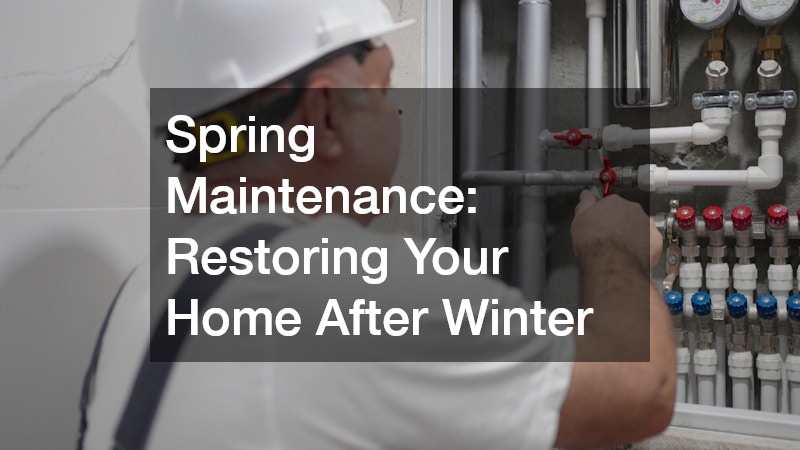
Winter is notoriously punishing on residential structures. Sub-zero temperatures, ice dams, and heavy snow loads exert continuous pressure on every exterior surface. Once the thaw arrives, your primary objective is to assess the damage left behind by cold weather and prepare the structure for the heavy downpours of late spring.
Assessing Exterior Surfaces and Cladding Integrity
Start your spring inspection at ground level by walking the entire perimeter of your property. Look closely at where your exterior walls meet the foundation. Freeze-thaw cycles cause moisture trapped inside exterior masonry to expand, resulting in spalling, hairline fractures, or flaking. If you notice deteriorating plaster or crumbling masonry on exterior walls, hiring a professional stucco service early in the season will seal the building envelope before humid spring air pushes moisture deep into your wall cavities.
Once you have verified the structural integrity of the walls, focus on removing the grime accumulated over winter. Salt, road grit, and decaying organic matter cling to siding, driveways, and decks. Renting or purchasing power washing equipment allows you to thoroughly wash away these corrosive compounds before they eat through protective finishes. Take care to use appropriate pressure settings; blast too hard, and you risk forcing water behind your siding or etching soft wood decks.
Clearing Overhead Drainage and Roof Systems
After addressing the walls, look upward. Roof valleys and gutters bear the brunt of winter debris, collecting fallen branches, winter pine needles, and lingering ice melt sediment.
- Clear all debris from seamless gutters and downspout openings using a trowel and hose to flush out fine grit.
- Verify that downspout extenders are securely attached, discharging water at least five to six feet away from your foundation footings.
- Inspect gutter hangers for sagging or pulling away from the fascia board under the weight of winter snow.
- If your drainage systems are warped beyond repair or pulling free from the roofline, scheduling a new gutter installation ensures spring rain flows safely away from your home.
- Check roof valleys, flashings, and shingle edges for signs of lifting, cracking, or missing granules.
- Address compromised shingles promptly by organizing a targeted roof repair to prevent minor leaks from destroying interior drywall during heavy thunderhead storms.
Summer Maintenance: Defending Against Heat, Humidity, and Utility Demands
Summer brings long days and warm weather, but extreme heat and intense ultraviolet radiation present their own unique threats. High summer temperatures cause building materials to expand, while humidity forces cooling and refrigeration systems to operate at maximum capacity.
Fortifying Ground-Level Masonry and Overhead Barriers
The intense summer sun bakes flatwork, accelerating structural settling and widening cracks in walkways, patios, and driveways. Inspect all flat concrete surfaces for sinking slabs, trips hazards, or expanding fissures. If you discover severe soil washouts beneath your driveway or patio, ordering a small concrete delivery allows you to pour a stable, level slab or fill major voids permanently.
At the same time, keep an eye on your roof line. Summer sun causes dark shingles to reach soaring temperatures, drying out asphalt oils and causing poor quality materials to curl or blister.
Consider a typical scenario: an unseasonably hot July afternoon triggers a sudden afternoon downpour. If your overhead protection suffers from thermal stress, water will quickly find those heat-stressed micro-fissures. Taking time to evaluate your overall residential roofing setup during mid-summer ensures your attic stays dry and properly ventilated, preventing excessive heat build-up that drives up air conditioning costs.
Streamlining Water Systems and Household Appliances
Interior systems take a beating during the summer months. Families spend more time indoors, running laundry more frequently, taking additional showers, and hosting backyard gatherings that strain plumbing and mechanical infrastructure.
Your water heater works continuously, but summer is an ideal time to clear out internal sediment that reduces heating efficiency. Sediment acts as an insulating layer between the burner and the water, forcing the tank to run hotter and longer to achieve the same temperature. Flushing the tank annually removes these mineral deposits. If you hear popping or rumbling sounds coming from the unit during heating cycles, arranging for professional water heater repairs can restore heat transfer efficiency and prevent catastrophic tank ruptures.
Similarly, summer humidity forces refrigerators and freezers to work overtime to keep food cool. Vacuum the condenser coils behind or beneath your refrigerator to prevent dust from trapping heat. Inspect the rubber door gaskets for tight seals using the dollar-bill test: shut a bill in the door and pull; if it slides out easily, replace the gasket. For stubborn mechanical issues like failing ice makers, noisy compressor fans, or washing machine drainage glitches, calling a reliable local appliance repair technician ensures your household runs smoothly without unexpected breakdowns during peak summer usage.
Autumn Maintenance: Preparing Key Systems for the First Freeze
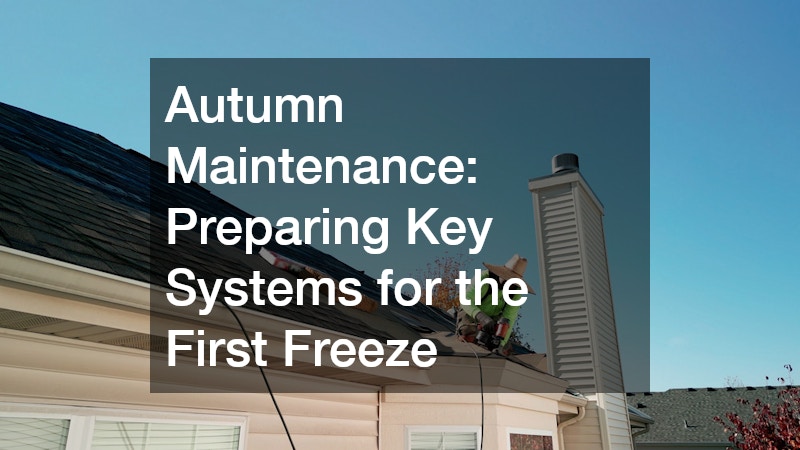
Autumn is the critical bridge between summer heat and winter cold. The primary goal during these crisp months is weatherization: sealing the thermal envelope and ensuring all heating apparatuses are operating at peak efficiency before temperatures plummet.
Tuning Heating Infrastructure and Thermal Envelopes
When autumn air turns crisp, your heating equipment transitions from an idle appliance to your home’s most vital life-support system. Do not wait for the first freezing night to turn on your thermostat; test it early in the fall to ensure the system responds immediately.
Modern forced-air systems rely on clean airflow to operate safely and efficiently. Start by replacing air filters, opening all floor registers, and clearing furniture away from return vents. Dust buildup on the heat exchanger reduces thermal efficiency and can trigger safety shut-offs. If your heating unit struggles to reach set temperatures, produces unusual clicking sounds upon startup, or blows cool air, arranging prompt furnace repairs will ensure your family remains safe and warm when cold fronts arrive.
In addition to testing your mechanical heat source, check for air leaks along the perimeter of your home. Drafts around window casings, basement rim joists, and exterior doors bleed heat rapidly, forcing your heating system to run continuously. Apply exterior-grade silicone caulk to static gaps, and replace worn weatherstripping on movable doors and windows to lock heat inside.
Performing Overhead Structural Inspections
Before heavy winter snow coats your roof, conduct a thorough structural evaluation of the entire top-of-house assembly. Fallen leaves gather in roof valleys, trapping moisture against shingle surfaces and encouraging rot along the eaves. Clear away all organic debris using a soft-bristle broom or leaf blower.
While clearing the roof, pay special attention to critical flashing points around chimneys, skylights, and plumbing vent stacks. Thermal expansion and contraction over summer can crack old roofing cement, creating direct pathways for melting snow to seep into your attic.
Because walking on steep roofs poses significant safety hazards, especially as autumn frost begins to form, partnering with a licensed roofing company is the safest approach. A professional inspector can identify subtle shingle uplift, loose step flashing, or deteriorated pipe boots that would otherwise go unnoticed until a winter ice dam forces water under the roof deck.
Winter Maintenance: Monitoring Interior Climate and Structural Loads

During winter, exterior maintenance slows down, shifting your primary focus inward. Cold weather tests the limits of your insulation, plumbing resilience, and structural integrity under heavy snow loads. Rather than taking a passive stance during the winter months, maintain an active monitoring routine to keep small interior issues from becoming major disasters.
Managing Freeze Risks and Indoor Air Quality
Sub-zero temperatures threaten uninsulated plumbing lines running through exterior walls, unconditioned basements, crawlspaces, and attics. When water freezes inside a pipe, it expands, creating tremendous pressure that can burst copper, PEX, or PVC lines.
To prevent frozen pipes during severe cold snaps:
- Keep cabinet doors open under sinks along exterior walls to allow warm room air to circulate around internal plumbing lines.
- Allow indoor faucets connected to vulnerable pipes to drip slowly during record-low temperatures, relieving static pressure within the system.
- Maintain a consistent indoor thermostat setting day and night, avoiding drastic setback temperatures when sleeping.
- Verify that exposed pipes in unheated basements or crawlspaces are wrapped in high-density foam insulation sleeves.
In addition to protecting plumbing, monitor your indoor climate carefully. Cold winter air holds very little moisture, but indoor activities like cooking, showering, and breathing generate vapor that becomes trapped inside tight homes. If indoor relative humidity rises above 50%, excess moisture condenses on cold glass window panes and uninsulated exterior wall corners. Over time, this condensation creates an ideal environment for toxic mold growth and rots wooden window sills. Run bathroom exhaust fans for at least twenty minutes after showers, use the range hood while cooking, and adjust your central humidifier settings to match outdoor temperatures.
Safeguarding Structures from Heavy Snow and Ice
Heavy snowfall poses a serious threat to roof structures and foundation perimeters. As snow accumulates on a roof, heat escaping from poorly insulated attics melts the bottom layer of snow. The meltwater trickles down to the cold roof eaves, where it refreezes, forming a solid ridge of ice known as an ice dam. Ice dams prevent subsequent snowmelt from draining off the roof, forcing standing water backward under shingles and down into wall cavities.
Invest in a long-handled, lightweight roof rake to clear snow from the lower six feet of your roofline after major snowstorms. Always stand safely on the ground while operating a roof rake; never climb onto a snowy roof. Clearing the eaves reduces the risk of ice dam formation, relieves heavy structural loads on roof rafters, and prevents dangerous icicles from forming above walkways.
Finally, keep a close watch on basement walls and floor slabs during mid-winter thaws. Brief warming trends cause rapid snow melting on the ground, saturating frozen soil that cannot absorb excess water. Inspect basement perimeters regularly for damp spots, efflorescence (a white, powdery salt deposit on concrete), or active trickles along foundation cracks, ensuring your sump pump is plugged in and fully operational.
Long-Term Value and the Proactive Homeowner Mindset
Protecting a home is not about grand, expensive transformations; it is about establishing small, deliberate habits that align with the changing seasons. The structural elements and mechanical systems that shelter your family rely on one another. A compromised roof degrades wall insulation; degraded insulation raises heating demands; excess interior moisture rots window frames and structural framing.
When you invest consistent effort into maintaining your property, you create a compound return on investment over time. A home that receives regular attention retains its historical architectural value, passes future real estate inspections effortlessly, and provides an unmatched sense of comfort and stability.
By working through these targeted seasonal checkpoints, you break the cycle of expensive emergency repairs and preserve your home’s equity. You shift from feeling overwhelmed by home maintenance to being in full control of your property’s long-term health. Build a rolling annual maintenance calendar, stock the necessary tools, and cultivate a proactive routine. The time and energy you invest today will pay dividends for decades to come in safety, comfort, and financial security.