Severe weather and water-related damage are becoming more common, and homeowners are feeling the impact. From heavy rainstorms to high winds and unexpected flooding, your home is constantly exposed to risks that can lead to costly repairs if not addressed early. The challenge is that many of these issues don’t start as major problems—they begin small and worsen over time.
The good news is that protecting your home doesn’t require guesswork. With the right strategies in place, you can reduce your risk, strengthen vulnerable areas, and respond quickly if damage does occur. The key is to take a proactive approach rather than waiting for something to go wrong.
In this guide, you’ll learn how to prepare your home for storms, manage water effectively, reinforce critical areas, and recover properly if damage happens. These practical steps will help you protect your investment and maintain peace of mind no matter what the weather brings.
Build a Whole-Home Protection Plan

The most effective way to protect your home is to think holistically. Instead of reacting to individual problems as they appear, you want a system where every part of your property works together to manage water and withstand severe weather. Most major damage happens not because of one failure, but because multiple small weaknesses compound over time.
A whole-home protection plan allows you to identify risks early, prioritize improvements, and avoid the cycle of constant repairs.
Assess Your Property’s Weak Points
Start with a full inspection of your home and yard. The goal is to understand how water moves across your property and where it has the opportunity to enter or collect.
If possible, do this during or immediately after a heavy rain. You’ll get a real-time view of problem areas that aren’t obvious in dry conditions.
Pay close attention to:
- Low spots in your yard where water poolsThese areas can become saturated, leading to soil instability and potential foundation issues over time.
- Cracks in your foundation or drivewayEven hairline cracks can allow water to seep in, expand during temperature changes, and worsen quickly.
- Roof drainage and gutter performanceWatch how water exits your roof. If gutters overflow or downspouts discharge too close to the house, you’re directing water exactly where you don’t want it.
- Areas around windows and doorsCheck for gaps, worn seals, or signs of moisture. These are common entry points during wind-driven rain.
Go Beyond the Obvious
Some of the most important warning signs are subtle and easy to miss. Look for:
- Soil erosion along slopes or near foundations
- Mulch or gravel that has shifted after rainfall
- Water stains on siding or exterior walls
- Uneven or sinking ground near patios or walkways
- Persistent dampness in specific areas of your yard
These clues often point to underlying drainage issues that haven’t fully surfaced yet.
Develop a Long-Term Water Strategy
Once you understand your property’s vulnerabilities, the next step is creating a plan that controls how water behaves—not just during one storm, but year-round.
Well-designed water management plans take into account:
- The natural slope of your land
- Soil type and how quickly it absorbs water
- The volume of water your property receives during storms
- Where water should safely exit your property
A strong strategy should:
- Direct water away from your foundationThis is the single most important goal. Water should always flow away from your home, never toward it.
- Prevent pooling near structuresStanding water increases pressure on foundations and can lead to seepage or cracking.
- Integrate multiple systemsGutters, grading, drains, and landscaping should all support the same goal—efficient water movement.
Think in Terms of Flow, Not Just Fixes
Instead of asking “How do I fix this one wet spot?” ask:
“Where is this water coming from, and where should it go?”
This shift in thinking helps you create solutions that last instead of temporary patches.
For example:
- Extending a downspout might solve one issue but create another if water is redirected to a low area
- Filling a low spot without improving drainage may just move the problem elsewhere
Make Systems Work Together
Your home’s protection systems should function as a coordinated network, not isolated upgrades. When one part fails or is poorly designed, it can compromise everything else.
Here’s how to align your systems:
- Gutters and downspoutsShould collect water efficiently and direct it far enough away from your home to prevent re-entry
- Landscaping and gradingShould guide water naturally along safe paths rather than trapping it near structures
- Drainage systemsShould carry water to appropriate discharge points, such as storm drains or designated runoff areas
- Hard surfaces like driveways and patiosShould be slightly sloped to prevent water from pooling or flowing toward your home
Avoid Common Planning Mistakes
Many homeowners unintentionally create problems by treating each upgrade separately.
Common mistakes include:
- Installing new landscaping without considering drainage
- Adding patios or walkways that block natural water flow
- Relying on temporary fixes instead of addressing root causes
- Ignoring how one improvement impacts another area
A unified plan prevents these issues and ensures every improvement adds value.
Build for Long-Term Resilience
A whole-home protection plan isn’t just about preventing damage today—it’s about making your home more resilient for years to come.
When everything works together:
- Water is managed efficiently, even during heavy storms
- Structural components stay protected
- Maintenance becomes simpler and less frequent
- You reduce the risk of unexpected, costly repairs
Taking the time to assess, plan, and integrate your systems creates a strong foundation for every other improvement you make. Instead of constantly reacting to problems, you’ll have a property that’s designed to handle them before they start.
Reinforce Windows and Doors Early
Windows and doors are among the most vulnerable parts of your home during a storm. Strengthening these areas is one of the most effective ways to prevent damage.
Upgrade Your Most Exposed Openings
High winds and flying debris can easily compromise standard windows and doors. Once these fail, water intrusion becomes immediate and severe.
Upgrading to hurricane resistant windows adds a strong layer of protection. These are designed to withstand impact and reduce the chance of shattering.
Choose Durable Door Solutions
Your entry points should be just as strong as your windows. Working with a hurricane impact door manufacturer ensures you’re getting products specifically built for extreme conditions.
Look for:
- Reinforced frames
- Impact-resistant glass
- Proper sealing systems
Focus on Proper Installation
Even the best materials can fail if they’re installed incorrectly.
Make sure:
- Frames are securely anchored
- Seals are tight and weatherproof
- Installation follows manufacturer guidelines
Professional installation is often worth the investment for long-term performance.
Add Protection Without Full Replacement
Not every home requires a full window replacement to improve protection. There are cost-effective ways to enhance what you already have.
Strengthen Existing Glass
A residential window tint service can add an extra layer of protection by reinforcing glass and reducing the likelihood of shattering.
Benefits include:
- Increased resistance to impact
- Reduced risk of broken glass scattering
- Improved safety during storms
Improve Energy Efficiency
Window tinting also helps regulate indoor temperatures by reducing heat transfer.
This can:
- Lower energy bills
- Reduce glare
- Protect furniture from UV damage
Know When This Option Works Best
This solution is ideal if:
- Your windows are in good condition
- You want added protection without major renovation
- You’re working within a budget
It’s a simple upgrade that delivers multiple benefits.
Stop Water Before It Enters
Preventing water from entering your home is far easier than dealing with it afterward.
Identify Entry Points Around Your Foundation
Water often enters through:
- Cracks in foundation walls
- Basement windows
- Gaps around pipes or vents
- Poorly sealed joints
Regular inspections can help you catch these issues early.
Use Proven Waterproofing Methods
A basement waterproofing service can provide solutions such as:
- Exterior waterproof coatings
- Interior drainage systems
- Sump pump installation
- Crack sealing
These methods work together to keep your basement dry.
Maintain Your Defenses
Even the best systems require upkeep.
Be sure to:
- Check seals and barriers regularly
- Clean drainage systems
- Test sump pumps periodically
Consistency is key to long-term protection.
Maintain Pumps and Drainage Systems
Your home’s drainage systems are critical during heavy rainfall. If they fail, water can quickly accumulate.
Understand the Role of Pumps
Sump pumps and similar systems help move water away from your home before it becomes a problem.
They are especially important for:
- Basements
- Low-lying properties
- Areas with heavy rainfall
Watch for Warning Signs
Your system may need attention if you notice:
- Unusual noises
- Slow water removal
- Frequent cycling
- Visible rust or wear
Ignoring these signs can lead to sudden failure.
Schedule Regular Maintenance
Routine inspections and water pump repairs help ensure your system works when you need it most.
Consider:
- Annual professional inspections
- Backup power sources
- Replacing aging components before failure
A well-maintained system can prevent major flooding.
Respond Quickly After Storm Damage
Even with preparation, storms can still cause damage. Acting quickly makes all the difference.
Prioritize Safety First
After a storm:
- Check for structural damage
- Avoid standing water near electrical sources
- Look for fallen debris or hazards
Your safety should always come first.
Document the Damage
Take photos and notes for insurance purposes. This helps speed up the claims process and ensures accurate coverage.
Call Professionals Immediately
A storm damage service can assess and address issues quickly, preventing further deterioration.
Working with local water damage companies ensures faster response times, which is critical when dealing with water intrusion.
Remove Water and Dry Thoroughly
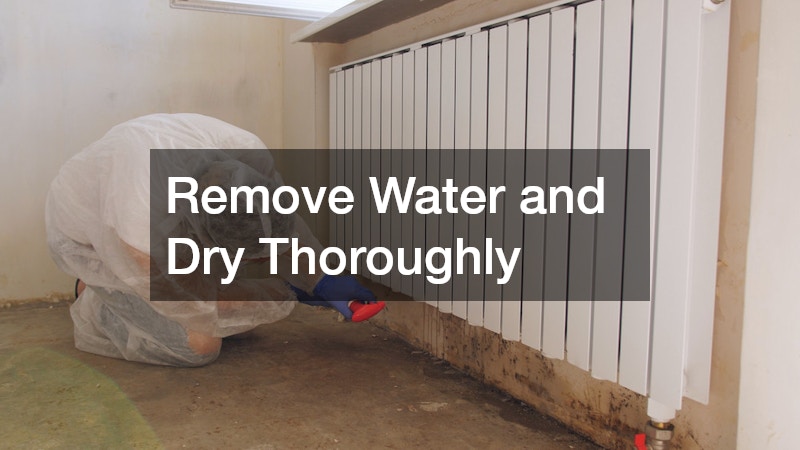
Water damage doesn’t stop once the rain ends. Moisture can linger and cause hidden issues.
Understand Why Quick Drying Matters
Water can seep into:
- Walls
- Flooring
- Insulation
If not removed properly, it can weaken structures and lead to mold growth.
Use Professional Equipment
Water damage cleaners use specialized tools such as:
- Industrial dehumidifiers
- High-powered air movers
- Moisture detection devices
These tools ensure thorough drying.
Avoid Common Mistakes
DIY cleanup often misses hidden moisture.
To prevent issues:
- Don’t rely on surface drying alone
- Avoid sealing areas before they’re fully dry
- Monitor affected areas over time
Proper drying is essential for long-term recovery.
Prevent Mold Before It Spreads
Mold can develop quickly after water exposure and create serious health risks. It not only damages surfaces but can also impact indoor air quality and trigger allergies or respiratory issues.
Understand How Fast Mold Grows
Mold can begin forming within 24 to 48 hours in damp conditions. This makes fast action critical. The longer moisture lingers, the more difficult and costly it becomes to fully eliminate the problem.
Recognize Early Warning Signs
Watch for:
- Musty odors
- Discoloration on walls or ceilings
- Increased allergy symptoms
Early detection helps limit damage.
Use Safe Removal Methods
Professional mold removal services ensure:
- Complete removal of contaminated materials
- Safe handling of hazardous areas
- Prevention of future growth
This is especially important for large or recurring issues.
Create a Year-Round Maintenance Routine
Ongoing maintenance is one of the most effective ways to protect your home.
Follow a Seasonal Checklist
Break tasks into manageable routines:
Spring
- Inspect drainage systems
- Check for winter damage
Summer
- Maintain landscaping
- Prepare for storm season
Fall
- Clean gutters
- Seal cracks and gaps
Winter
- Monitor indoor moisture
- Prevent ice-related issues
Address Small Issues Early
Small problems can quickly escalate.
Stay ahead by:
- Fixing minor leaks
- Sealing gaps
- Repairing cracks
Schedule Professional Inspections
Annual inspections can identify hidden issues before they become serious.
Focus on:
- Roofing
- Foundation
- Drainage systems
Preventive care saves time and money.
Protecting Your Home From Storms and Water Damage
By strengthening vulnerable areas, managing water effectively, and maintaining your systems, you can significantly reduce your risk.
The key is consistency. Small actions taken regularly can prevent major problems down the line. With the right strategies in place, you can protect your home, avoid costly repairs, and feel confident no matter what conditions come your way.
Taking the time to plan, prepare, and maintain your property is one of the best investments you can make for your home and your peace of mind. Staying proactive today helps ensure your home remains safe, stable, and resilient for years to come.