
Transforming an exposed backyard into a secluded retreat is a dream for many homeowners. True comfort in an outdoor environment relies on two primary factors: the cooling relief of canopy cover and the psychological security of solitude. When a yard is overlooked by neighbors or baked in the midday sun, it remains an underutilized asset regardless of the quality of the patio furniture. A thoughtful renovation creates a bridge between the interior comfort of the home and the raw elements of the natural world. A well-planned backyard acts as an additional room—a place where the boundaries of the property disappear into a sea of green. By strategically layering structural elements, healthy foliage, and smart design, you can shield your sanctuary from prying eyes and the harsh glare of the sky.
Clearing the Way for New Growth and Structure

Before you can begin the process of building a private oasis, you must evaluate the current state of your property and remove any elements that hinder your vision. Often, an outdoor space is hampered by overgrown, dead, or poorly placed vegetation that blocks the very views you want to keep while failing to provide any actual relief from the sun. Clearing the clutter allows you to see the true potential of your square footage and ensures that your new design has the physical space required to grow and thrive.
If your property is currently dominated by aging, diseased, or hazardous timber that poses a threat to your home’s roofline or foundation, professional tree removals are the necessary first step in your journey. Removing these obstructions not only opens up the sky for better light management but also ensures that your new construction projects, such as pergolas or decks, have a clear and safe footprint. By taking down trees that are in the wrong location, you can replace them with species that are better suited for providing dense, eye-level privacy rather than just high-altitude shade that misses your patio entirely.
A major outdoor renovation inevitably generates a significant amount of debris, ranging from old wooden fencing and concrete chunks to massive piles of organic brush and soil. Renting a roll off dumpster is the most efficient and organized way to manage this waste, keeping your job site safe and preventing your existing lawn from being smothered under piles of discarded materials. Having a centralized location for all trash ensures that your renovation remains on schedule, as you won’t be waiting for weekly municipal pickups to haul away the heavy remnants of your yard’s previous iteration.
- Map the Sun: Spend a full day tracking how shadows move across your yard to identify the exact spots that need the most protection.
- Identify Sightlines: Sit in your favorite outdoor chair and look toward neighboring windows to determine exactly where your privacy screens need to be positioned.
- Check for Utilities: Before any digging or major clearing, ensure you know the location of underground water, gas, and electric lines.
- Assess Drainage: Clearing the yard is the perfect time to see how water pools, allowing you to fix grading issues before installing new structures.
Evaluating Canopy Health and Safety
While removing some trees is necessary for a fresh start, preserving the right ones is the key to achieving instant shade and a sense of established beauty. Mature trees are far more effective at cooling a yard than any young sapling you might plant today, but they require expert care to remain healthy during the stress of a major construction project. A balance between new architectural structures and existing natural shade creates a landscape that feels intentional and rooted in the history of the land. Protecting these natural assets is an investment in the long-term comfort—not just for aesthetics but for the environment of your home.
To ensure the long-term survival of the large trees you choose to keep as part of your shade strategy, you should consult with a certified arborist before any heavy equipment enters your yard. These experts can help you identify the critical root zones that must be cordoned off to prevent soil compaction, which is one of the leading causes of tree death following a renovation. They can also suggest specialized deep-root feeding or pruning techniques that will encourage the tree to grow a denser canopy, providing more effective shade for your new seating areas.
In addition to health assessments for your primary shade trees, you may need to hire a local tree service to perform preventative maintenance on the vegetation bordering your property lines. Thinning out the high canopy of border trees can actually improve the health of the lower branches, allowing them to grow thicker and provide better eye-level privacy from the street or neighbors. Professional trimming also ensures that dead limbs are removed before they can fall on your new outdoor furniture or shade structures during a storm.
- Mulch Root Zones: Apply a thick layer of wood chips around the base of kept trees to protect the soil from being crushed by foot traffic or machinery.
- Avoid Trenching: Never dig deep trenches near the drip line of a mature tree, as this can sever the vital roots responsible for water intake.
- Prune for Airflow: Removing interior “water sprouts” from a tree allows wind to pass through more easily, reducing the risk of the tree blowing over in high winds.
- Check for Pests: Have your trees inspected for boring insects or fungal infections that could spread to your new landscaping plants later.
Implementing Structural Shade and Privacy Solutions

Modern shade structures can be customized to match the architectural style of your home, ensuring that the addition looks like an original part of the residence. These permanent or semi-permanent features allow you to control your environment with the flip of a switch or the pull of a cord, making your backyard usable even during the most intense summer heatwaves.
For homeowners who want flexible protection from the sun that can be adjusted based on the time of day, exploring the offerings of various awning companies can provide excellent retractable or fixed options. These fabric structures are ideal for decks and patios that are directly attached to the house, allowing you to extend your indoor living space outward while protecting your skin and your furniture from UV damage. High-quality fabrics also help lower the internal temperature of your home by shading the windows, which can lead to significant savings on your cooling costs.
A professional landscape service can design and install physical barriers like pergolas with integrated privacy screens, decorative latticework, or modern horizontal slat fences that allow air to flow while keeping your patio hidden. These professionals understand how to anchor these structures safely against wind loads, ensuring that your privacy walls remain standing even in exposed or hilltop locations.
- Pergolas: Use a wooden or metal grid to create a dappled shade effect; add climbing vines for additional natural cooling.
- Sail Shades: Use tensioned fabric triangles for a modern, architectural look that can be taken down during the winter months.
- Privacy Louvers: Install adjustable slats that can be tilted to block the sun or a neighbor’s view while still allowing a breeze to pass through.
- Outdoor Curtains: Use weather-resistant fabric on a rod system to create a soft, romantic feel that can be closed for total seclusion.
Designing Lush Privacy Screens With Greenery
Unlike a solid wooden fence, a living screen moves with the wind, changes color with the seasons, and provides a vital habitat for local birds and pollinators. The key to a successful living wall is layering, using a mix of heights and textures to create a thick barrier that dampens noise from the street and blocks the view from second-story windows. When you choose the right species, your garden becomes a dynamic, breathing entity that enhances the air quality of your immediate surroundings.
Selecting the appropriate landscaping plants is vital for a screen that stays green and full throughout the entire year. Broad-leaf evergreens, tall ornamental grasses, and dense deciduous shrubs can be combined to create a multi-layered “living wall” that offers both visual interest and high-density privacy. By choosing native species that are adapted to your local soil and rainfall patterns, you ensure that your privacy screen remains resilient against local pests and weather extremes without requiring constant chemical interventions.
To ensure that these new green barriers grow as quickly and healthily as possible, you must have a plan for consistent and deep hydration. Professional irrigation services can install automated drip lines or specialized watering zones that deliver moisture directly to the root balls of your privacy screen, which is much more effective than overhead spraying. This targeted approach encourages deep root growth, helping your plants reach their full height and density in a fraction of the time it would take with manual watering.
- Arborvitae: A classic choice for narrow spaces, these evergreens grow tall and slim, forming a dense wall of green.
- Bamboo: Use clumping varieties (not running) for a fast-growing, tropical screen that provides excellent noise reduction.
- Skip Laurel: A hardy, broad-leaf evergreen that produces white flowers and can thrive in both sun and partial shade.
- Holly: Provides a prickly deterrent for unwanted intruders while offering bright red berries for winter visual interest.
Enhancing Aesthetic Appeal and Ground Cover
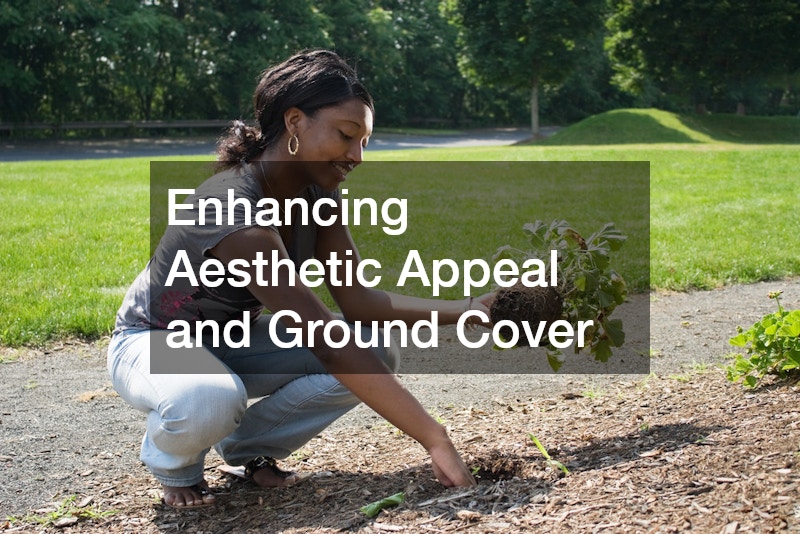
Once the large trees are managed and the structural shade is in place, you can turn your attention to the fine details that pull the entire design together. This is the stage where you can introduce variety in color, scent, and texture to create a sensory experience that goes beyond just the visual. These finishing touches soften the transition between your hardscaping and your lawn, making the entire property feel more cohesive.
If your current garden beds are sparse, dated, or poorly organized, a professional flower bed redesign service can help you arrange perennials and accent plants in a way that complements your new privacy structures. By grouping plants with similar water and light needs together, you create a more sustainable garden that is easier to maintain over time. These redesigned beds can be used to frame your new patio or to create “islands” of color that draw the eye away from the boundaries of the property, making the space feel more open and inviting.
To keep these new beds looking tidy and to protect the underlying soil from erosion and moisture loss, you will need to source high-quality ground covers. Visiting a local provider of landscape supplies allows you to select from various types of mulch, decorative gravel, or river stones that best match the color palette of your home’s exterior. A fresh layer of dark wood mulch not only provides a clean and professional contrast to your green foliage but also breaks down over time to enrich the soil with organic matter, further supporting the growth of your privacy screen.
- Cedar Mulch: Naturally insect-resistant and long-lasting, with a pleasant aroma that enhances the garden experience.
- Lava Rock: A permanent ground cover that doesn’t blow away and provides an interesting, porous texture for modern designs.
- Ground-Cover Plants: Use low-growing species like creeping thyme or sedum to fill in the gaps between larger shrubs and prevent weed growth.
- Boulders: Strategically placed large rocks add a sense of permanence and natural history to a newly renovated space.
Enjoying Your Secluded Outdoor Living Space
Investing in shade and privacy is an investment in the long-term livability of your home. By combining the technical expertise of professionals with high-quality materials and thoughtful plant selection, you can transform a public-facing yard into a private sanctuary—a goal that pays dividends in relaxation and mental health. Whether you are reading a book under the cool protection of a new awning or enjoying a quiet dinner behind a thick wall of lush evergreens, the result of your renovation will be a space that truly feels like an extension of your soul. Once the construction is finished and the new plants have taken root, your outdoor space will serve as a peaceful haven that offers a warm welcome at the end of every day. Taking the time to plan for both beauty and seclusion ensures that your home remains a place of rest for many years to come.