
Every month, small inefficiencies hiding inside your walls, attic, and utility closet quietly add up on your bills. Most homeowners assume a high energy bill or a surprise repair is just bad luck, but often it is the result of aging systems that have been losing efficiency for years. The good news is that these warning signs are usually easy to spot once you know where to look. This guide walks through the most common culprits so you can catch them before they drain your wallet any further.
Aging Roofing Materials and Rising Energy Bills
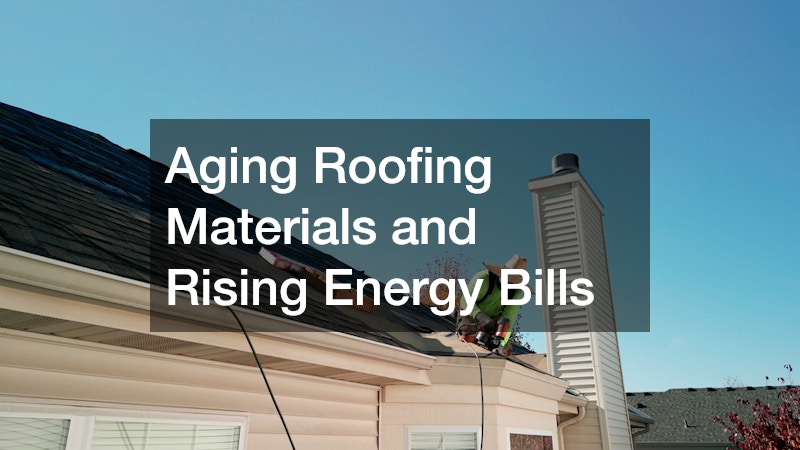
Your roof does more than keep rain out; it plays a major role in regulating indoor temperature. When shingles curl, crack, or lose their granules, your attic loses its ability to reflect heat, forcing your HVAC system to work overtime. This added strain shows up as a steady creep in your monthly utility costs, even if you have not changed your thermostat habits.
Asphalt shingles typically last 20 to 25 years, but sun exposure, poor attic ventilation, and storm damage can shorten that lifespan considerably. As they age, granule loss reduces their reflective quality, so more solar heat transfers directly into your attic space. That trapped heat radiates downward into living areas, making your air conditioner run longer cycles just to maintain the same indoor temperature.
Even minor issues can compound into bigger losses. A handful of cracked shingles or exposed nail heads can let conditioned air escape through small gaps around flashing and vents, while a compromised roof deck can allow moisture in that degrades insulation’s effectiveness over time. Homeowners often notice a 10 to 25 percent jump in cooling costs during peak summer months once roofing deterioration reaches this stage.
Watch for warning signs like granules collecting in gutters, daylight visible through attic boards, or noticeably warmer upstairs rooms. Catching these issues early with targeted repairs or a partial reroof is far cheaper than waiting for a full replacement paired with months of inflated energy bills.
Most asphalt shingle roofs are built to last between 20 and 25 years, but their energy efficiency starts declining well before that. Aging shingles lose their reflective granules over time, causing your roof to absorb more heat instead of deflecting it, which forces your air conditioner to work harder during warmer months. If your roof is nearing the 20-year mark, it is worth having it inspected before small leaks turn into costly structural damage.
Watch for warning signs like curling or missing shingles, dark streaks, granules collecting in your gutters, or noticeably higher summer cooling bills compared to previous years. A professional inspection can also reveal poor attic ventilation or damaged underlayment, both of which quietly increase energy loss even when the roof looks fine from the ground.
Many homeowners find that scheduling roof replacements sooner rather than later actually saves money over time because modern materials offer far better insulation and reflectivity than older ones. Cool roofing options, energy-efficient shingles, and improved underlayment can reduce attic heat gain significantly, sometimes cutting cooling costs by 10 to 15 percent. When you factor in fewer emergency repairs and lower monthly utility bills, the upfront cost of replacement often pays for itself within just a few years.
- Missing or curling shingles that let heat escape, especially after windstorms or hail events
- Visible sagging along the roofline, often signaling trapped moisture or weakened decking underneath
- Daylight visible through the attic boards, a sign that insulation and sealing have failed
- Granules collecting in gutters, meaning shingles are breaking down faster than expected
- Dark streaks or moss patches on the roof surface, which trap moisture and accelerate wear
- Rising cooling costs during summer months, sometimes 10-25% higher than similar homes with newer roofs
- Ice dams forming along the eaves in winter, a clue that heat is escaping unevenly through the roof
- Roofs older than 15-20 years that haven’t had a professional inspection recently
Drafty Patio Doors and Hidden Heat Loss
Sliding and hinged patio doors are notorious for developing gaps as their frames shift and weatherstripping wears thin. Even a small draft around the door frame can let conditioned air escape all day long, quietly pushing up your heating and cooling costs. Many people do not notice the leak until they feel a cold breeze near the door on a windy day.
If your door sticks, rattles, or lets in noticeable light around the edges, it may be time to consider patio door replacements rather than repeated caulking and weatherstripping repairs. Newer models come with improved seals and double-pane glass that dramatically cut down on energy loss while also improving home security.
Worn Out Garage Doors and Insulation Gaps
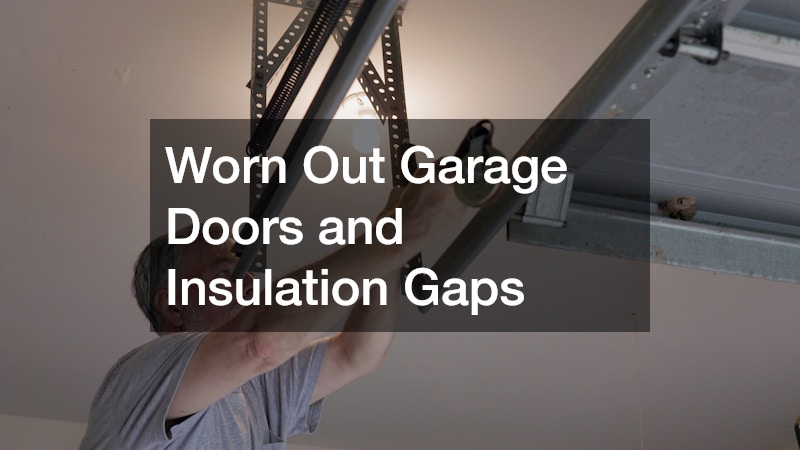
An uninsulated or damaged garage door can quietly rob your home of comfort, especially if your garage shares a wall with living space. Gaps around the panels or a door that no longer seals tightly against the frame let outside air seep into the garage, which then transfers into adjacent rooms. Over time, this forces your furnace or air conditioner to compensate, adding a hidden cost to your monthly bill.
Check the weatherstripping along the bottom and sides of the door — if it’s cracked, brittle, or flattened, it’s no longer doing its job. A simple test: run your hand along the edges on a windy day and feel for drafts, or look for daylight peeking through the seams. Replacing worn seals costs relatively little, often under $50 in materials, but the payoff in reduced air leakage can be significant.
If your garage door itself has no insulation, you’re likely losing even more energy, since a single uninsulated panel can perform little better than an open wall in terms of heat transfer. Insulated garage door kits or foam board inserts are a relatively inexpensive upgrade, and they also help dampen noise and reduce temperature swings for anything stored in the garage.
Don’t overlook the walls and ceiling separating the garage from your living space, either. Builders sometimes skimp on insulation here since it’s not visible living area, but any gaps or thin spots become a direct pathway for heat loss. Adding or upgrading insulation in this shared wall is a one-time investment that keeps paying off every month your HVAC system runs.
Most garage doors weren’t built with insulation in mind, especially if your home is more than 15 years old. A single, non-insulated garage door can lose heat almost as fast as leaving a window cracked open, and since many garages share a wall with living space or the laundry room, that cold (or hot) air seeps right into the rest of the house. Weatherstripping around the panel edges also wears thin over time, creating gaps you can often feel with your hand on a windy day.
Beyond energy loss, an aging garage door can become a safety and security liability if the springs or opener mechanism start failing. Worn torsion springs are one of the leading causes of garage-related injuries, and an outdated opener without rolling-code technology can make your home an easier target for break-ins.
Investing in a garage door replacement not only tightens up insulation but often includes updated safety sensors and smoother automation that reduce the odds of an expensive repair down the road. Newer models typically carry an R-value between 6 and 18, meaning better temperature control and lower monthly energy bills. Many homeowners also see immediate savings on insurance premiums once modern safety features are installed.
- Visible daylight around the door edges, signaling worn weatherstripping that can let in drafts, dust, and pests
- Increased noise or shaking during operation, often from loose hardware or a motor working harder than it should
- Rising temperature swings in rooms next to the garage, especially noticeable if it shares a wall with a bedroom or living area
- Cracked, warped, or dented panels that break the door’s seal and let conditioned air escape
- An opener that struggles, hesitates, or reverses unexpectedly, often a sign of failing sensors or a motor nearing the end of its life
- Gaps or missing insulation in garage walls and ceiling, which can let heat or cold seep into adjoining living spaces
- A garage door with an insulation rating below R-6, offering little resistance to outdoor temperature extremes
- Higher-than-usual utility bills during peak summer or winter months, even after adjusting the thermostat
Unreliable Backup Power and Storm Related Losses
Power outages are not just inconvenient, they can be costly when you factor in spoiled food, frozen pipes, or a sump pump that fails during a storm. Homeowners in areas prone to severe weather often underestimate how much a single extended outage can cost until it happens. Having a reliable backup plan in place protects both your wallet and your peace of mind.
Many families are now turning to local generator installation services to ensure their home can maintain essential functions during an outage without relying on noisy, inefficient portable units. A properly sized whole-home generator can automatically kick in within seconds, keeping your refrigerator, sump pump, and heating system running until utility power returns.
Outdated Plumbing and Slow Leaks
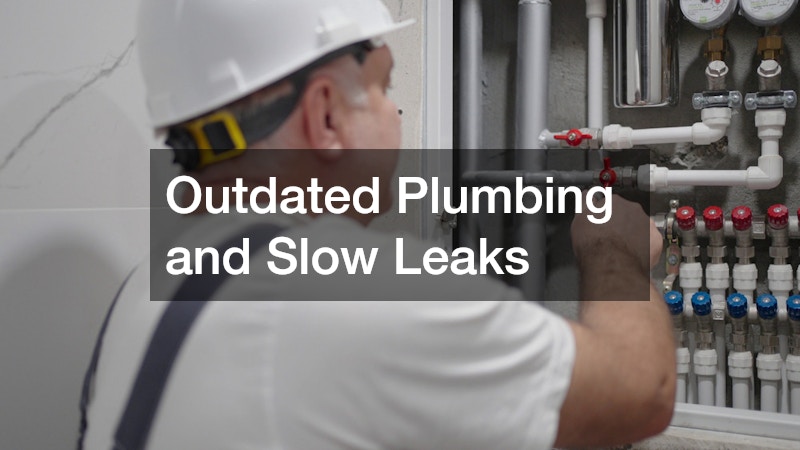
Old pipes made of galvanized steel or outdated materials are prone to corrosion, which can lead to slow leaks that go unnoticed for months. These hidden leaks not only waste water but can also cause structural damage that becomes far more expensive to repair than the original plumbing issue. A sudden spike in your water bill without a clear explanation is often the first clue something is wrong.
If your home still has its original plumbing from several decades ago, it may be time to consult a professional about full or partial plumbing installation rather than continuing to patch small leaks as they appear. Updated piping materials are more resistant to corrosion and can significantly reduce the risk of costly water damage in the future.
- Unexplained increases in your water bill
- Rusty or discolored water coming from the tap
- Low water pressure throughout the house
- Visible water stains on ceilings or walls
- Frequent need for small plumbing repairs
Inefficient Water Heaters and Wasted Energy
A water heater nearing the end of its lifespan often loses efficiency long before it fails completely. Sediment buildup inside the tank forces the unit to work harder to heat the same amount of water, which translates directly into higher energy bills. If your water takes longer to heat up or your energy costs seem disproportionate to your usage, your water heater could be the culprit.
Scheduling a professional water heater installation when your unit reaches eight to twelve years old can prevent a sudden failure and the water damage that often comes with it. Newer tankless and high-efficiency models use significantly less energy while providing more consistent hot water throughout the home.
Outdated Fireplaces and Wasted Heating Potential

A traditional wood-burning fireplace can actually pull warm air out of your home and send it straight up the chimney, making your furnace work harder to compensate. Many older units also lack proper sealing, allowing drafts to enter the home even when the fireplace is not in use. This inefficiency can quietly add to your heating bill throughout the colder months.
Homeowners looking to cut down on wasted energy often consider a fireplace installation that includes a sealed, energy-efficient insert or a gas unit designed for better heat retention. These upgrades not only improve comfort but also reduce the amount of conditioned air that escapes through an old, drafty chimney.
Overloaded Electrical Systems and Rising Utility Costs
Older homes often have electrical panels that were never designed to handle the number of appliances and devices used in a modern household. When a panel is overloaded, it can run less efficiently and even pose a fire risk, both of which end up costing homeowners in different ways. Flickering lights, frequent breaker trips, and warm outlets are all signs that your system may be struggling.
Upgrading to modern electrical panel installations can improve overall energy efficiency and safely support the demands of today’s appliances, electric vehicle chargers, and smart home devices. This is one upgrade where the long-term savings and safety benefits often outweigh the upfront cost.
- Frequent breaker trips during normal use
- Flickering or dimming lights
- Warm or discolored outlets
- A panel that still uses fuses instead of breakers
- Difficulty running multiple appliances at once
Damaged Fencing and Declining Property Value
A fence that is leaning, rotting, or missing panels does more than hurt curb appeal, it can also lower your property value and create ongoing maintenance costs. Wood fences in particular are prone to warping and rot when exposed to years of moisture without proper sealing. Left unaddressed, a failing fence can also compromise the security and privacy it was originally meant to provide.
If repairs have become a recurring expense, a full fence installation using more durable materials like vinyl or treated composite can eliminate the cycle of patch jobs. This upfront investment often pays for itself by reducing the frequent repair costs associated with older, weather-worn fencing.
Lack of Storm Protection and Emergency Preparedness Costs
For homeowners in regions prone to severe weather, the absence of a dedicated safe space can lead to costly last-minute preparations every time a storm warning is issued. Without proper shelter, families often spend money on temporary measures or emergency supplies that could have been avoided with better planning. Insurance premiums in high-risk areas can also be affected by the level of storm preparedness a home demonstrates.
Investing in storm shelter installation provides long-term peace of mind and can sometimes qualify homeowners for insurance discounts, offsetting part of the initial cost. Beyond the financial benefits, having a reliable shelter on-site removes the stress of scrambling to find safety when severe weather strikes unexpectedly.
Small inefficiencies rarely announce themselves loudly, but they add up month after month if left unaddressed. By paying attention to your roof, doors, plumbing, electrical system, and other key components, you can catch these issues early and avoid much larger expenses down the road. Start with a simple walkthrough of your home this weekend, and consider having a professional evaluate any area that seems outdated or unreliable. Taking action now can protect both your comfort and your budget for years to come.